
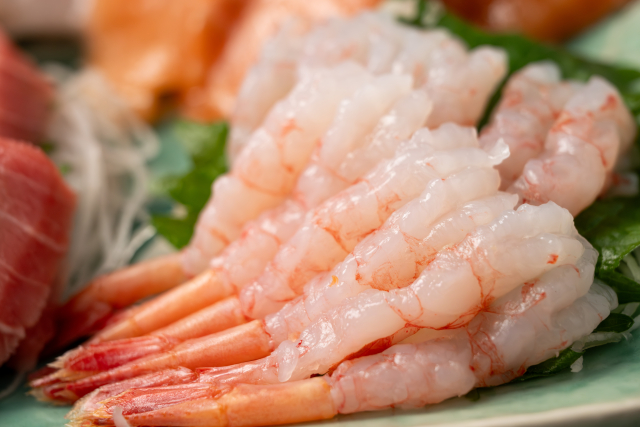
Shrimp is one of the world’s most widely loved ingredients.
In Japan it appears not only on everyday tables but also in festive seasonal foods such as New Year osechi, giving it an especially celebratory image.
Because shrimp is so deeply woven into daily life, it is useful to know which wines pair well with it.
Here we explore wine pairing based on shrimp’s own characteristics.
We then put a likely match to the test with the ingredient itself.
The result is an easy way to enjoy “shrimp × wine” deliciously at home.
About Shrimp
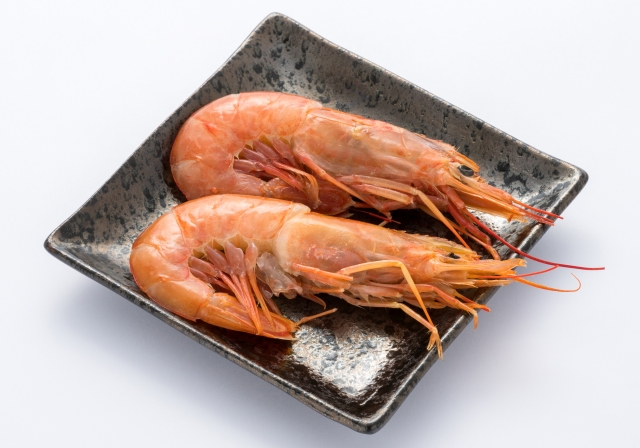
Shrimp are crustacean arthropods.
More than 3,000 species are said to exist, although only a small proportion are commonly eaten.
Familiar edible types include whiteleg shrimp, kuruma prawns, red shrimp, black tiger prawns, sweet shrimp, spiny lobster, Hokkai shrimp, and shiroebi.
Shrimp is also low in calories, high in protein, low in fat, and rich in nutrients, making it an attractive ingredient for people watching their diet.
It contains taurine, associated with recovery from fatigue; astaxanthin, known for strong antioxidant properties; and chitin, which is said to help the body eliminate certain unwanted substances.
Shrimp also provides collagen, glycine, arginine, zinc, vitamin E, iron, and many other nutrients.
Delicious as well as nutritionally appealing, shrimp is an ingredient many people would happily eat every day.
Shrimp Aroma and Flavor
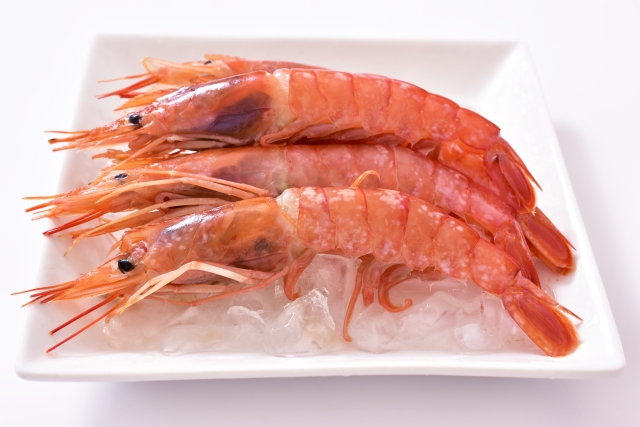
To pair shrimp effectively with wine, it helps to understand the ingredient’s own aromas and flavors.
Shrimp can be eaten raw or cooked.
Raw shrimp is characterized by a sticky, almost creamy texture, sweetness, faint acidity, and a marine aroma in which the volatile compound dimethyl sulfide is involved.
Cooked shrimp, on the other hand, develops firmer elasticity and stronger umami, together with roasted aromas from pyrazines—especially alkylpyrazines—generated through the Maillard reaction.
Shrimp is also rich in amino acids associated with sweetness and umami, including glycine, proline, and alanine.
Glutamic acid and other compounds contribute further to its savory character.
Amino-acid-derived umami is said to be enhanced when combined with pyrazine aromas, helping explain why cooking can make shrimp seem even more delicious.
The best wine naturally changes according to preparation, but knowing the underlying flavor of shrimp itself makes wine selection much easier.
Pairing Wine with Shrimp
Once we understand shrimp’s characteristics, the next step is choosing wine.
Let’s look more deeply at what works.
Choosing Wine Based on Shrimp’s Characteristics
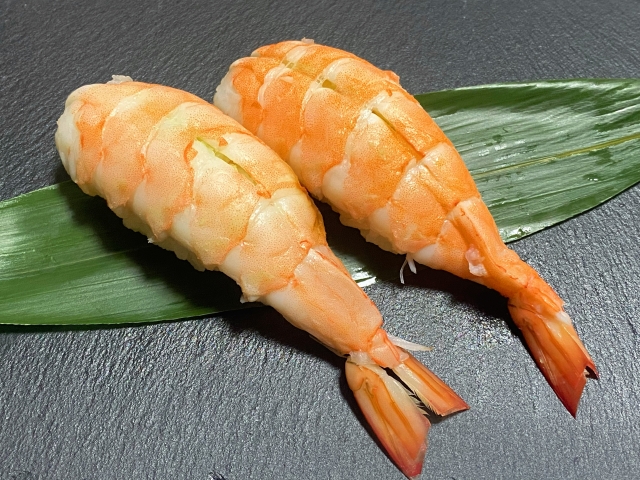
The key points when pairing shrimp and wine are aroma, sweetness, umami, saltiness, and texture.
Shrimp has a distinctive but delicate flavor, so wines with excessively strong aroma, flavor, or body are best avoided.
For raw shrimp, citrus and herbal aromas can highlight the sweetness, while sharp acidity can harmonize with the ingredient’s own freshness.
A wine with chalky mineral nuances can also work well with shrimp’s marine character.
Sauvignon Blanc, Pinot Gris, and Riesling are commonly recommended. For sparkling wine, a casual Prosecco with gentle bubbles can also be effective.

What about cooked shrimp?
Cooked shrimp is often seasoned with salt, garlic, or herbs, while ethnic preparations frequently include some heat.
Rosé is often recommended for Chinese-style dishes, although the white wines above can also work well.
Roasting makes shrimp firmer, so wines with good acidity and a little tannic texture can be effective.
A light-bodied red can be appealing with richer dishes using cilantro and oil, although red-fruit flavors and red-wine tannins may clash with the shrimp.
Relatively soft, aromatic white wines and orange wines may therefore be more reliable with such preparations.
For creamy shrimp dishes, barrel-aged Chardonnay or Sauvignon Blanc combining richness, citrus character, and sharp acidity can also be worth trying.
Taken together, these characteristics suggest that fresh white wines showing citrus, herbs, umami, acidity, and minerality are broadly useful with shrimp.
Sauvignon Blanc with Shrimp

Whether the shrimp is raw or cooked, Sauvignon Blanc may be one of the strongest all-purpose choices.
Sauvignon Blanc is grown around the world and has also become increasingly common in Japanese wine.
Its typical characteristics include:
- Citrus aromas of lime, lemon, and grapefruit
- Aromas of passion fruit, guava, and mango
- Sharp acidity with fruity freshness and herbal flavors
- Depending on origin, wet-stone or chalk-like mineral notes
- The ability to work with oak aging
Sauvignon Blanc varies according to climate and soil, but is generally characterized by freshness, tropical fruit, green and herbal aromas, and vivid acidity.
Overseas, it is a classic choice for seafood and vegetable-centered dishes. In Bordeaux, for example, Sauvignon Blanc is frequently paired with raw oysters.
With raw shrimp, Sauvignon Blanc’s citrus character can feel almost like squeezing fresh lime over the seafood, highlighting its sweetness. Fruitiness adds another layer to the shrimp’s rich texture, while minerality and acidity clean up the finish.
Its citrus aromas also work easily with cooked shrimp, and the herbal notes, green nuances, fruit sweetness, acidity, texture, and light finish do not overwhelm the ingredient.
There is another possible advantage involving umami and pyrazines.
Overseas research on Sauvignon Blanc and oysters has reported an umami-enhancing effect associated with pyrazine compounds.
Sauvignon Blanc is rich in pyrazines, including methoxypyrazines.
Because shrimp also contains abundant umami compounds, combining it with Sauvignon Blanc may further enhance the savory impression.
In short, Sauvignon Blanc is highly likely to work with shrimp.
Let’s put that idea into practice.
Shrimp × Sauvignon Blanc
We tried Sauvignon Blanc with both raw and cooked shrimp.
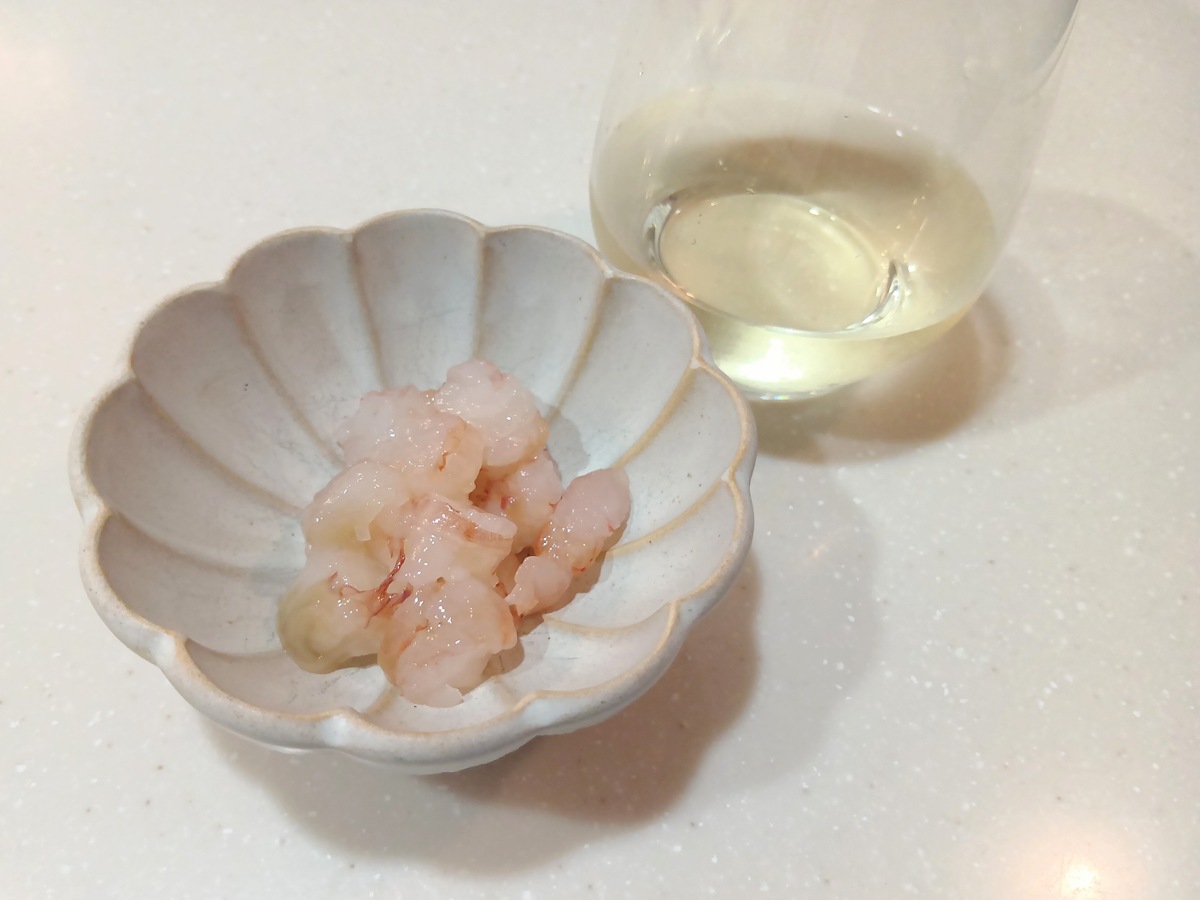
- Shrimp Sashimi
We paired sashimi-grade red shrimp with Sauvignon Blanc.
The raw shrimp had relatively restrained aroma but clear marine character, a rich sticky sweetness, and faint acidity.
The wine’s refreshing citrus-based aroma added brightness to the shrimp and created an even fresher overall flavor.
Sauvignon Blanc did not interfere with the shrimp’s texture, sweetness, or umami, while its acidity left the finish pleasantly clean.

- Grilled Shrimp
Next, we grilled red shrimp simply with salt and pepper and paired it with Sauvignon Blanc.
The wine made the roasted aroma feel as though the shrimp had been finished with a squeeze of lemon, while its sweetness became even more pronounced.
Green notes suggested freshly scattered herbs and added further freshness.
The shrimp’s umami balanced beautifully with Sauvignon Blanc’s expressive fruit, bringing fruitiness, acidity, and shrimp flavor together softly across the palate.
A squeeze of actual lemon over the shrimp would likely make the pairing even more compelling.
Conclusion
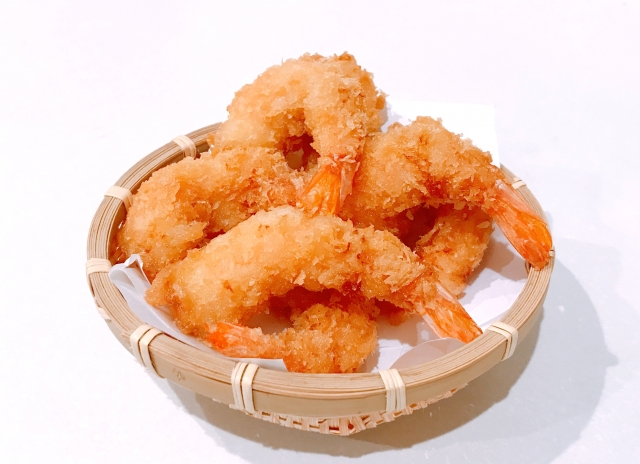
Shrimp is an ingredient many people would gladly eat every day.
Based on its characteristics, Sauvignon Blanc is one of the wines we most recommend pairing with it.
Why not bring “shrimp × Sauvignon Blanc” into your everyday table?