

Last month, 17 producers from Nagano Prefecture gathered in Tokyo for “Artisan Winegrowers NAGANO 2024 — A Tasting to Discover Nagano's Terroir.”
From the moment the event began, participants streamed toward the booths, and the excitement continued right through to the close. Even for dedicated Japanese-wine fans, it was a luxurious opportunity to encounter wines that are rarely seen in Tokyo and to talk directly with the artisans who make them. Everyone seemed to be smiling with satisfaction.
At the same time, there were surely plenty of people who were disappointed: “I love Nagano wine, but my schedule just wouldn't work and I couldn't go...” “If I'd known about it, I definitely would have gone—but it was already over.”


For everyone who missed it, we wanted to share at least a taste of “Nagano terroir,” so we asked all 17 wineries for the one bottle they especially recommend. If you see a wine that catches your eye—or one you have never encountered before—please check it out.
Many are refreshing wines that are ideal for the lingering summer heat (right now, in other words!). They are perfect for drinking at home and sure to be welcome at a wine gathering. It might even be fun to collect several and hold a Nagano wine night.
So without further delay, divided into white, rosé, red, orange and cider, here are 17 Nagano wines we think you should check now!
White Wines
From crisp dry wines best served chilled to rich wines with elegant oak aromas, here are six bottles.
● “Le Vin du Bonheur Niagara 2023” (Berry Beads Winery)

Berry Beads Winery, located at a relatively high elevation within Shiojiri City, makes this wine from 100% estate-grown Niagara. “People who have drunk Niagara wine before usually react with a surprised ‘What?’ when they try this. Niagara wines are known for their distinctive aroma, but this has gentle floral and pineapple-like aromas that are sweet yet refreshing, which seems to catch people off guard. It also has a firm acidity on the finish. We make it in a dry style, but the sweet impression of the aroma makes it feel more medium-dry on the palate,” says Berry Beads Winery. The firm acidity comes from harvesting the grapes early, before full ripeness, and fermenting them slowly at low temperature for about a month.
● “Murayori 2022” (Shinshu Takayama Winery)

This bottle had only just been released in April. “We make a lot of wine for local consumption, but we released this because we wanted people across Japan to taste the grapes of this land. ‘Murayori’ means ‘a message from the village.’ We do not disclose the varieties, but it is a field blend of eight grape varieties from the vineyard,” says Shinshu Takayama Winery. It is clean, dry and acidic, with a sharp finish. It pairs well not only with tempura of mountain vegetables but also with chicken and fried foods. Its defining character is a kind of cleansing sharpness that pleasantly cuts off lingering flavors and washes oiliness from the mouth. A bottle to enjoy while thinking about its terroir.
● “Chardonnay Mother Vines 2020” (Sato Orchard)

Sato Orchard, which also sells grapes to other wineries, makes wine around the concept of valuing the grape's original aroma. “The aroma is the defining feature and appeal of our grapes. Because of the nature of grapes as a fruit, making a very clean wine can shorten the finish, so to make the most of this aroma we increase the wine's viscosity, keeping it clean while leaving a lingering finish. We value aroma, but we also make our wine with the image of complementing Japanese cuisine, so please enjoy it with food,” says Sato Orchard. Chardonnay accounts for about 70% of the vineyard. Comments from people tasting this wine—“It has a refreshing citrus aroma,” “It's tropical!”—also show how strongly aroma defines the experience. A bottle that expresses the appeal of delicious Japanese Chardonnay.
● “Polaris Pinot Gris 2022” (Le Milieu)

“I think this is exactly the kind of wine you want on a hot, humid day. You can chill it and drink it cleanly, while still enjoying the aroma of the wine, and it has acidity. It is also floral without having aromas or flavors that overpower food, so I think it is easy to pair with a wide range of dishes,” says Le Milieu. Before the first sip, floral nuances and fruity aromas such as melon sweep through the nose. The palate is clear and beautifully clean. Le Milieu, whose concept is “elegance & finesse,” sees the much-disliked “Japanese rain” as an ally, saying that “because there is so much rain, we can make wines that are easy to drink.” This fresh, juicy bottle is one to refresh both throat and spirit.
● “Mizukake Blanc 2023” (Mizukake Winery)

This wine, scheduled for release in August, is 50% Pinot Gris, 26% Riesling and 24% Gewürztraminer. Bring the glass close to your face and the Gewürztraminer's characteristic white-rose, honey and lychee-like floral sweetness spreads out, followed by smoky, toasted aromas. On the palate, clean acidity keeps it refreshing and makes the glass disappear quickly. It can certainly be enjoyed on its own, but we would also like to try it with summery dishes featuring spices. “Gewürztraminer by itself felt a little difficult to drink, so we tried various approaches. Since wine is a beverage, we are conscious of drinkability,” says Mizukake Winery. At home, it is also worth leaving the opened bottle for a few days and enjoying how the aromas unfold and change.
● “Chardonnay Barrel Aged 2022” (Reve de Vin)
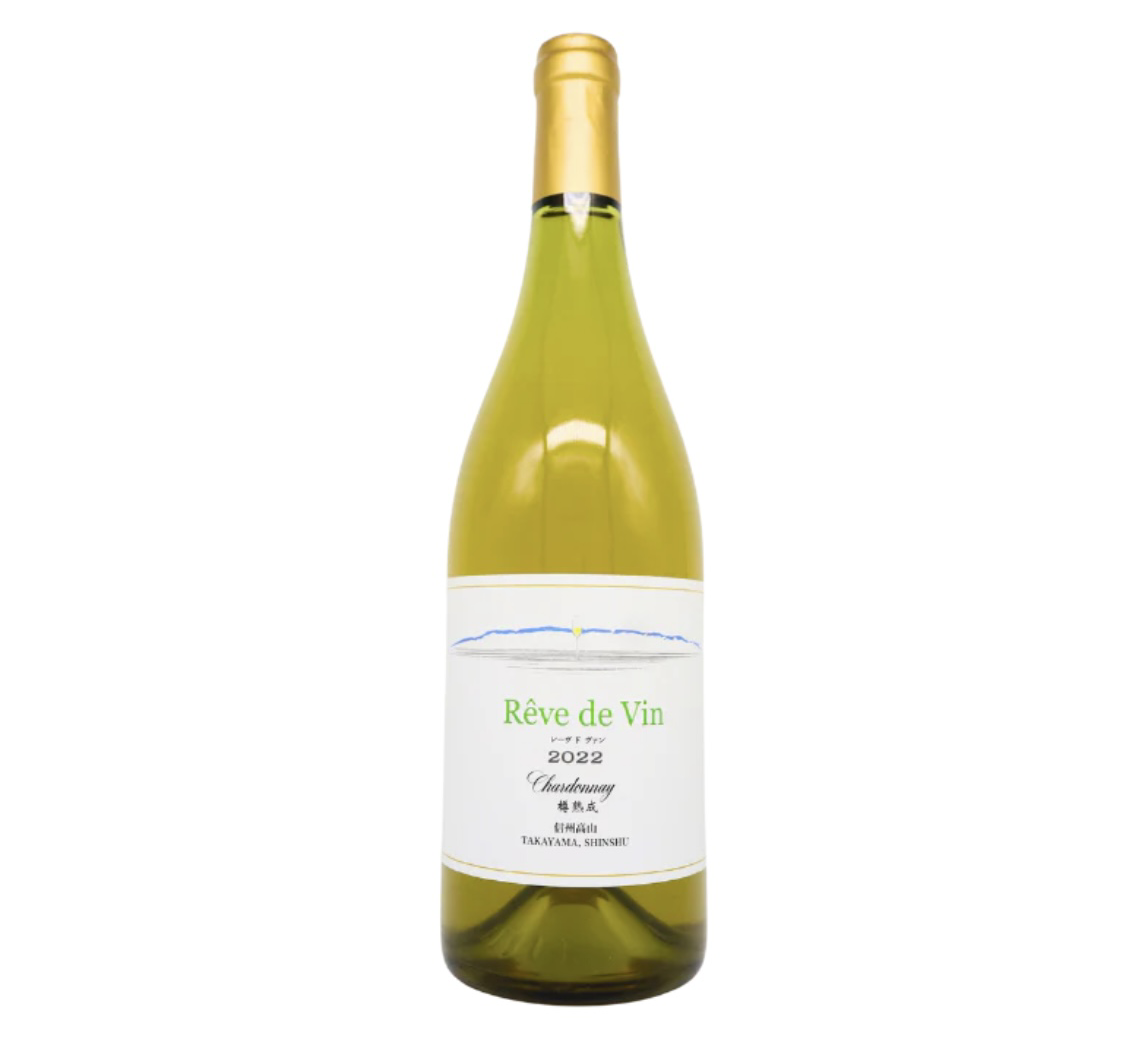
A delicate wine in which elegant oak follows the variety's own character. After fresh, sweet aromas reminiscent of a freshly cut apple come floral honey, vanilla and nutty notes. “After stainless-steel fermentation, we age it in barrel for 10 months before bottling. We hope you will also enjoy its clear, bright lemon-yellow color,” says Reve de Vin. It combines delicacy with umami and a touch of bitterness from the skins, finishing with clean acidity. Enjoy this rich wine in the ¥3,000 range before it sells out.
Rosé Wines
Summer means rosé! These rosés were popular on the day of the event. Here are four bottles with very different personalities.
● “Pinot Noir Rosé 2022” (Villa d'Est Winery)

A bottle from Villa d'Est Winery, which has many fans among Japanese-wine lovers. Until now, the winery used all of its Pinot Noir for red wine; this is its first vintage of a 100% Pinot Noir rosé. “We have two main Pinot Noir vineyards. From the one that tends to produce more floral aromas, lighter color and lighter wine, we harvested early and made the wine by direct press. It is charming and acidic, but it also has the structure of a black grape, so I think both white-wine drinkers and red-wine drinkers will enjoy it,” says Villa d'Est Winery. The label features a rose rather than grapes, expressing the wish that the wine be given like a bouquet even to people who do not usually drink wine.
● “Merlot Rosé Unfiltered Extra Dry 2023” (Domaine KOSEI)

“We grow nothing but Merlot. The reason is that I love Merlot,” says Domaine KOSEI winemaker Kosei Mimura. Perhaps because of the summer heat, the wine poured most often that day was this rosé made by the saignée method. “It's a fresh-tasting rosé made from Merlot. We fermented it slowly at low temperature to give it an even fruitier finish,” says Domaine KOSEI. To make the most of rosé's natural appeal, it was made without fining, freezing, filtration or heat treatment. Drink it this year—better yet, this summer—and enjoy its freshness and fruitiness together with its pleasant, lightly carbonated texture.
● “Maison de Kirinoka Pinot Noir Rosé Cuvée ‘TOKIHA’ 2023” (Kirinoka Vineyards)

This rosé was produced by bleeding off juice from premium Pinot Noir now sleeping in barrels for release from next year onward. Kirinoka Vineyard's Pinot Noir will generally be priced above ¥10,000, but this bottle is comparatively approachable in the ¥3,000 range. If you want an early glimpse of the nuances and worldview of Kirinoka Vineyard's Pinot Noir before the red is released, this is worth trying. Another rosé sparkling wine, “Kirinoka Vineyards & Winery La Goccia Chardonnay Pinot Noir Pétillant 2023,” is made without filtration and has a natural style with gentle umami. It was apparently born by chance when some Chardonnay became mixed with the Pinot, leading to the decision to blend them. If you see it at an event or elsewhere, taste it before it sells out.
(*Please wait for availability.)
● “Kaze Meguru Wine Rosé 2022” (Yatsugatake Haramura Winery)

A rosé with juicy umami that calls for food, and a Silver Award winner at the Sakura Awards 2024. “At first we made rosé by bleeding Cabernet and Merlot, but it felt somewhat lacking. We wanted more richness and depth, so we experimented. In the end, blending Chardonnay and Sauvignon Blanc gave the wine more richness and volume from the Chardonnay, while the Sauvignon Blanc added aromas that are perfect for summer,” says Yatsugatake Haramura Winery. It pairs extremely well with home cooking using chicken or pork. Surprisingly, it also seems like it could work well while eating watermelon.
Red Wines
● “Kokoro Cocoro 2022” (Hikaru no Hatake)

A Cabernet Sauvignon-based blend with Cabernet Franc. “It's a gentle wine fermented with wild yeast, finished unfiltered and fermented in old barrels. It has a dashi-like quality, so I think it is easy to pair with home cooking and Japanese cuisine. You can certainly drink it now, but because it is unfiltered, fine lees remain in the bottle, and those lees broaden the flavor as the years pass. So I also recommend keeping it for two or three years and enjoying it after further development,” says Hikaru no Hatake. Our tasting impression was of a light wine with the refreshing green tone characteristic of Cabernet Franc. It seems ideal with meat and vegetables such as green peppers from a summer barbecue. As an aside, the winery's umami-rich white wine “MIDO Special Field Blend 2023” sold out roughly three days after release. It is a special field blend of 15 undisclosed varieties. It is sold out online and difficult to encounter, but if you come across it at an event like this one, we strongly recommend trying it.
● “Cuvée Kodou 2022” (111VINEYARDO)
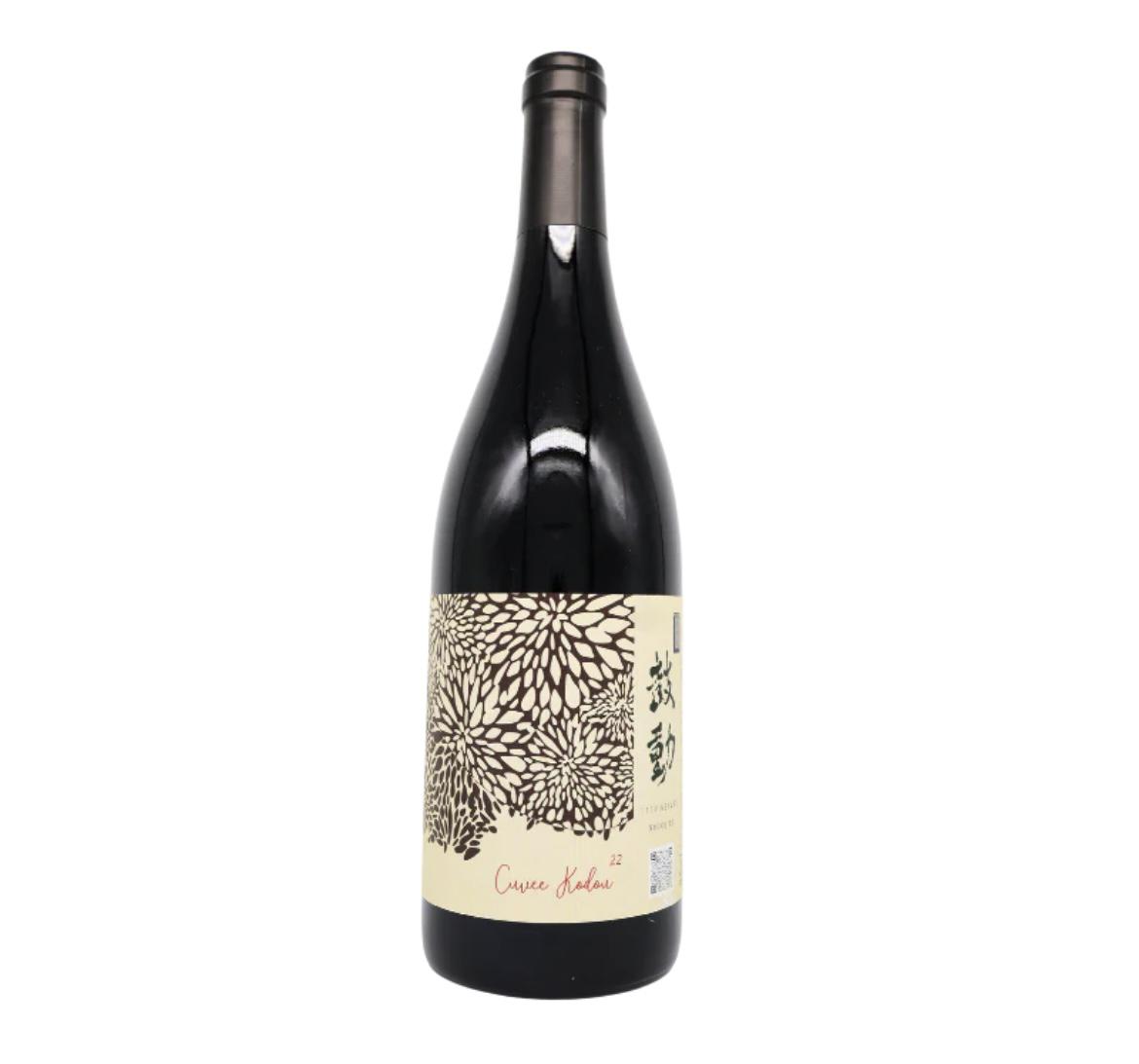
A wine from “111VINEYARDO,” the private brand of Berry Beads Winery winemaker Kazuyoshi Kawashima. In fact, he originally made wine under this private brand and established Berry Beads Winery later. “This is a bottle I want to preserve as it is and continue making. Because it is made from grapes I grew myself, I also have a particularly strong attachment to it.” Based mainly on Merlot with around 16% Cabernet Sauvignon, it is a light wine with delicious juicy, fruity character. To avoid losing the fruit, barrel aging is limited to about five months. It seems well suited to tomato-based dishes and, because it also has a dashi-like quality, to Japanese food.
● “Onoyama Bikki Rouge 2022” (Tomorrow Wine)

A red wine made by Tomorrow Wine, whose owner runs the yakiniku restaurant “Yakiniku Daisen” in Kyoto. It pairs exceptionally well with grilled meat and has a subtle green tone. “We use whole-cluster fermentation. That approach tends to bring fruit and varietal character strongly to the front and can easily create a green impression, but by using only ripe bunches we can create complex flavors such as toastiness, spice and slight bitterness. It also has a little wild character, and with the image of washing away the fat of the meat, I think drinking it alongside meat makes you want to eat even more,” says Tomorrow Wine. Its light drinkability means it is not tiring to drink.
● “Merlot & Cabernet Sauvignon Jupiter 2021” (Domaine Hiroki)

“Within our lineup, this is a slightly richer bottle in the ¥5,000 range. We use roughly equal amounts of Merlot and Cabernet Sauvignon and a range of barrels to create mild tannins. Personally, I think it was the best wine we made that year,” says Domaine Hiroki. It has volume but remains very clean on the palate, making it something we would like to enjoy with leaner cuts of meat. The winery's saignée rosé is also recommended for summer. Though dry, it has a slight sweetness in both aroma and flavor, which makes it easy to pair with many foods. Chill it and enjoy it from the brighter hours of the day.
● “Kogan 2022 (Red)” (yoshie Vineyard)

“This wine was made with Bordeaux methods in mind. The varieties and proportions are 85% estate-grown Merlot, 13% Cabernet Sauvignon and 2% Petit Verdot,” says yoshie Vineyard. It carries rich, sweet aromas reminiscent of botrytized wine or raisins, yet on the palate it suggests slightly bitter chocolate. That contrast is part of its fun. With a substantial mouthfeel it is satisfying on its own. After enjoying plenty of white and rosé with a meal, we would like to finish slowly with this bottle by itself or with high-cacao chocolate.
Orange Wine
● “Petit Manseng Maceration 2023” (VinVie)

Sweet aromas of apricot and honey are followed by mature, tea-like notes—enough to draw a happy sigh even before the first sip. “We vinify it to bring out as much of the variety's original aroma and character as possible. Petit Manseng can be made both sweet and dry, but with this wine we wanted to express a Petit Manseng that feels as though it was born in warm southern Nagano. It is enjoyable on its own, but it also pairs with food from warm countries and regions, such as Thai cuisine, with sweet-and-sour dishes such as sweet-and-sour pork, and—depending on the topping—surprisingly well with sushi made with sweet-tart vinegared rice,” says VinVie. A Petit Manseng that evokes a southern island and is sure to be a soothing bottle.
Cider
● “Cider 2023” (Balder Orchard)

Balder Orchard treats a fruit's “aroma” as an unwavering expression of its individuality and focuses its winemaking and cidermaking on bringing that aroma out. “By letting fruit ripen fully all the way to the seeds, you can maximize the aroma derived from the variety. Conversely, if the fruit is not ripe enough there, off-flavors and unpleasant smells can appear. This cider is characterized by using both the skins and seeds of fully ripe apples, and when you focus on the aroma I think you can sense its complexity,” says Balder Orchard. Using apples whose sugar levels rose as a result of maximizing fruit aroma has produced a cider with more than 8% alcohol, relatively high for the category. With its floral aromatic character and complexity, it seems suitable for a wide range of occasions—from the opening toast to pairing with pork or enjoying as dessert.
That concludes our introduction to 17 wines—only a small part of what could be enjoyed at this event.
Did you find a bottle that caught your interest, or made you think of someone you want to share it with?
Even during a hectic week, thinking about an evening or weekend with delicious Japanese wine can make everything feel manageable. We hope the second half of 2024 will be filled with wonderful moments and plenty of happy memories alongside delicious Japanese wine. Cheers!
Album (Scenes from the Event)
Here are a few scenes from the event. Please keep an eye out for future events as well!
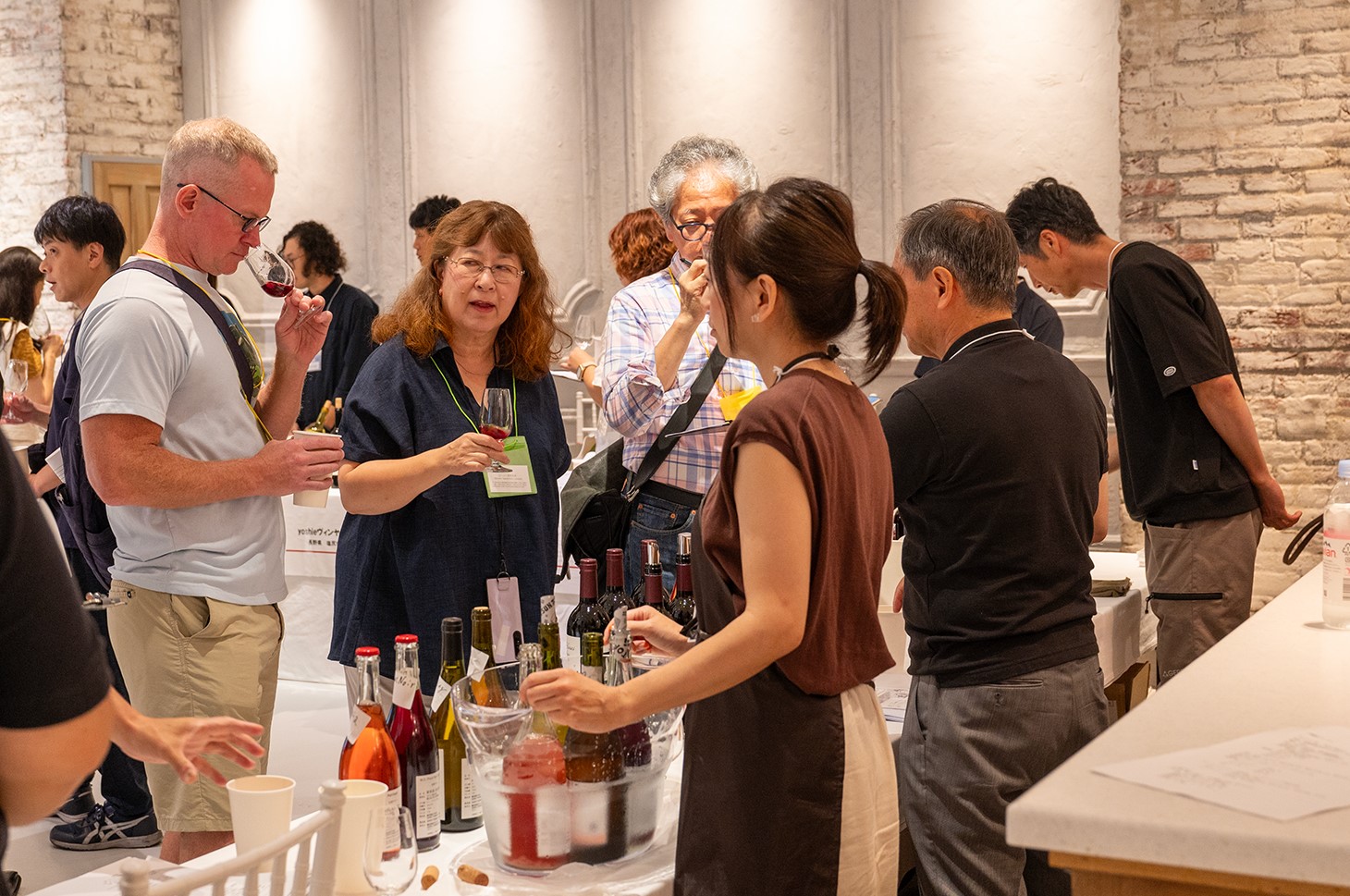
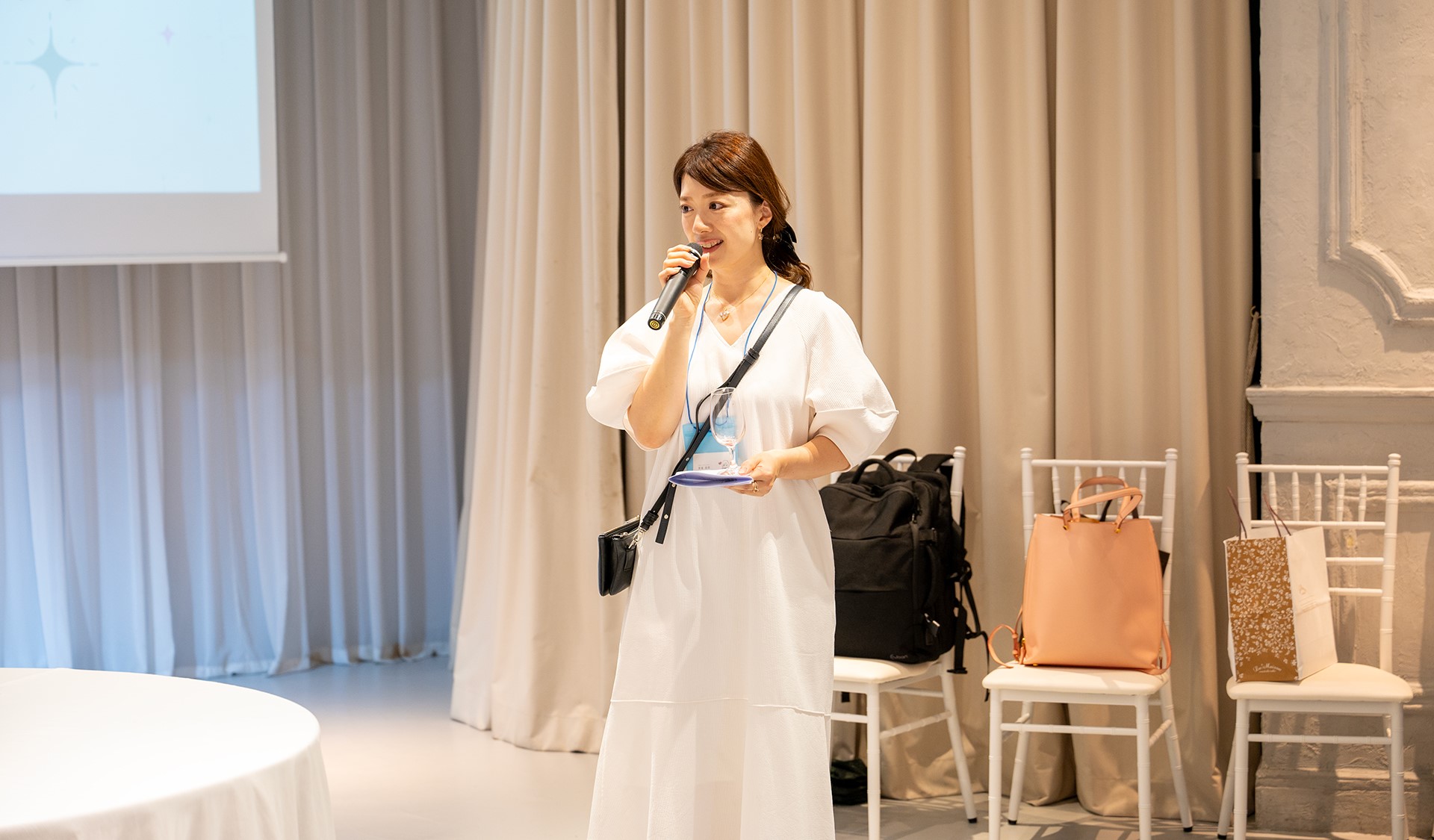
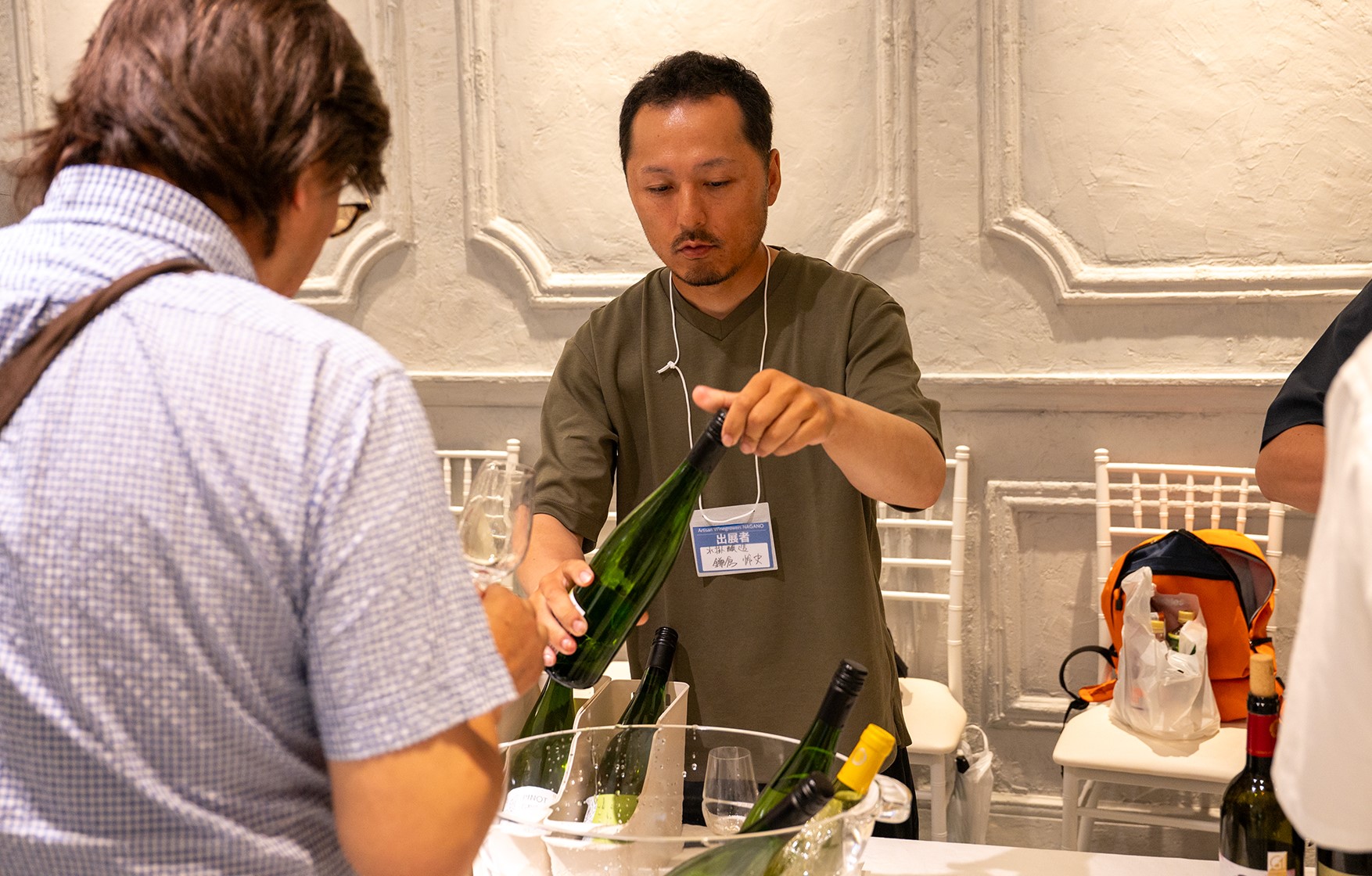
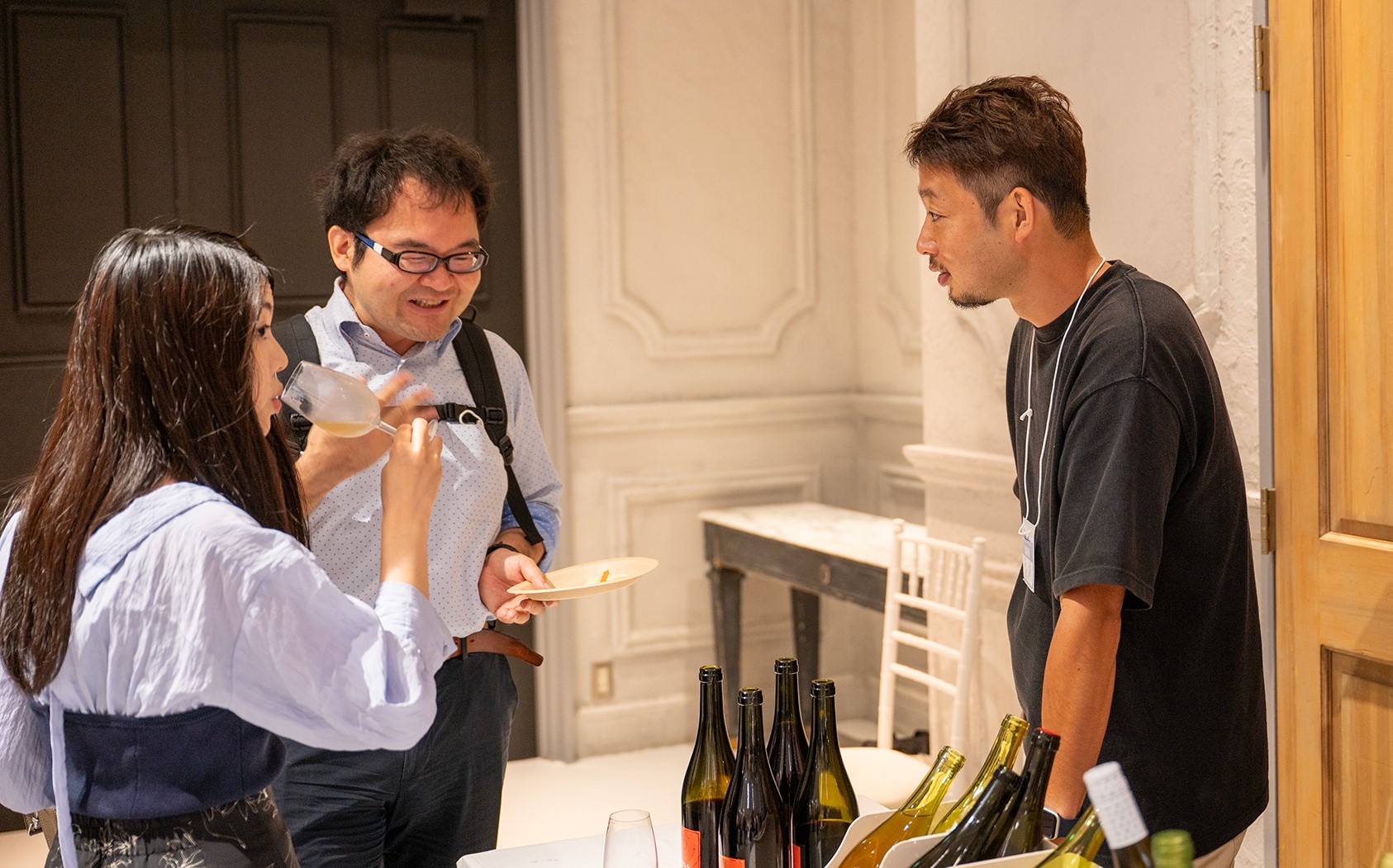
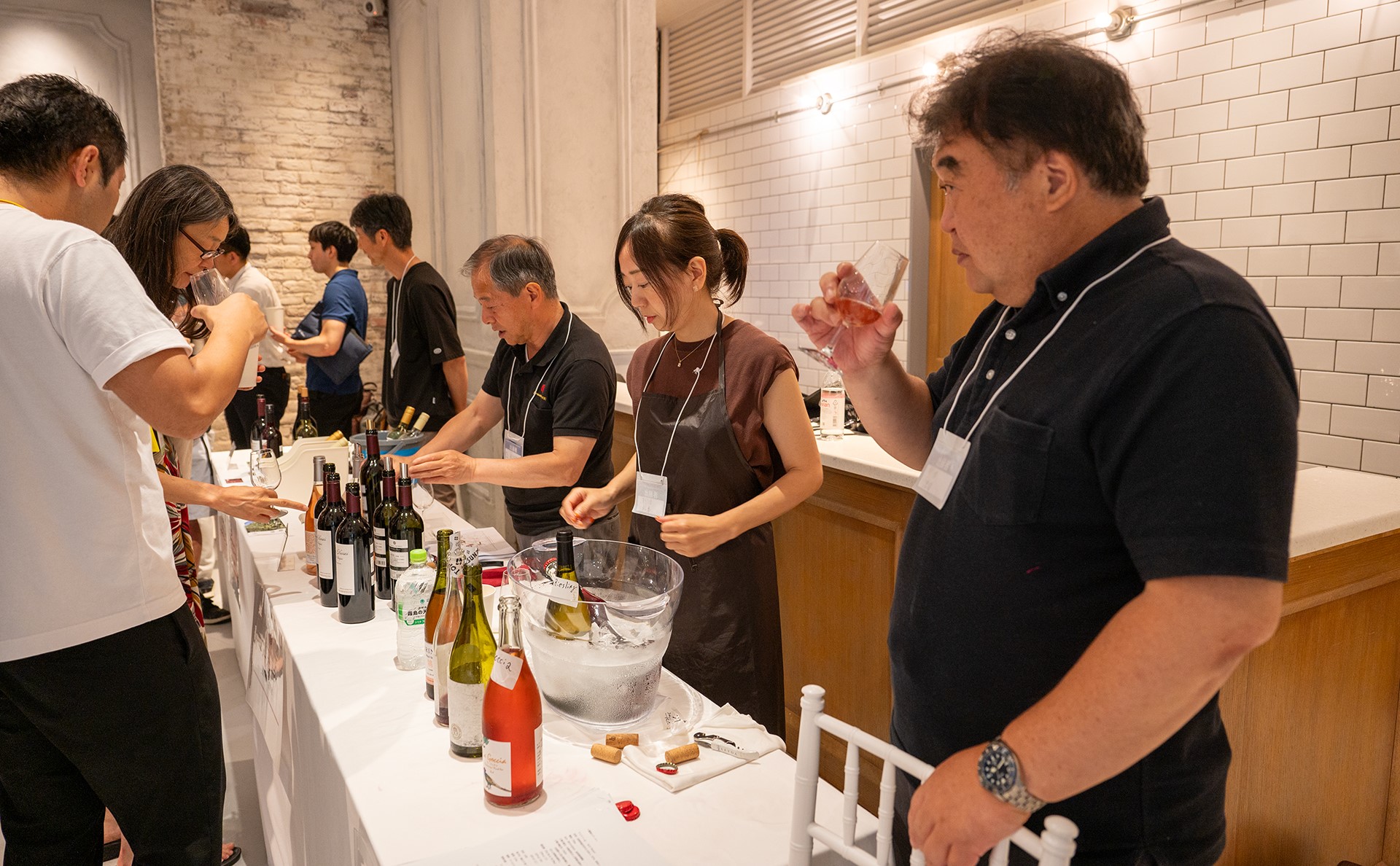
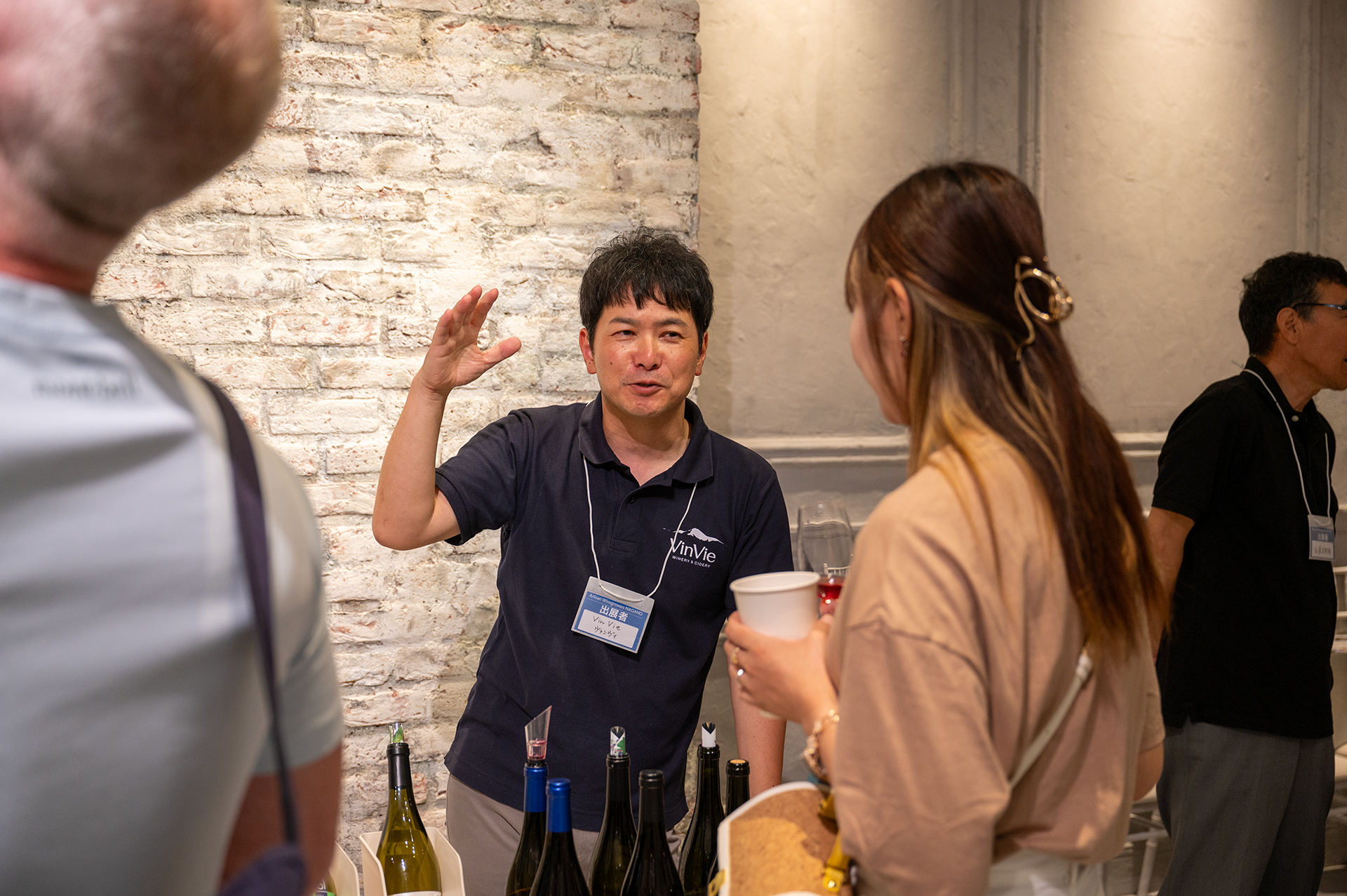

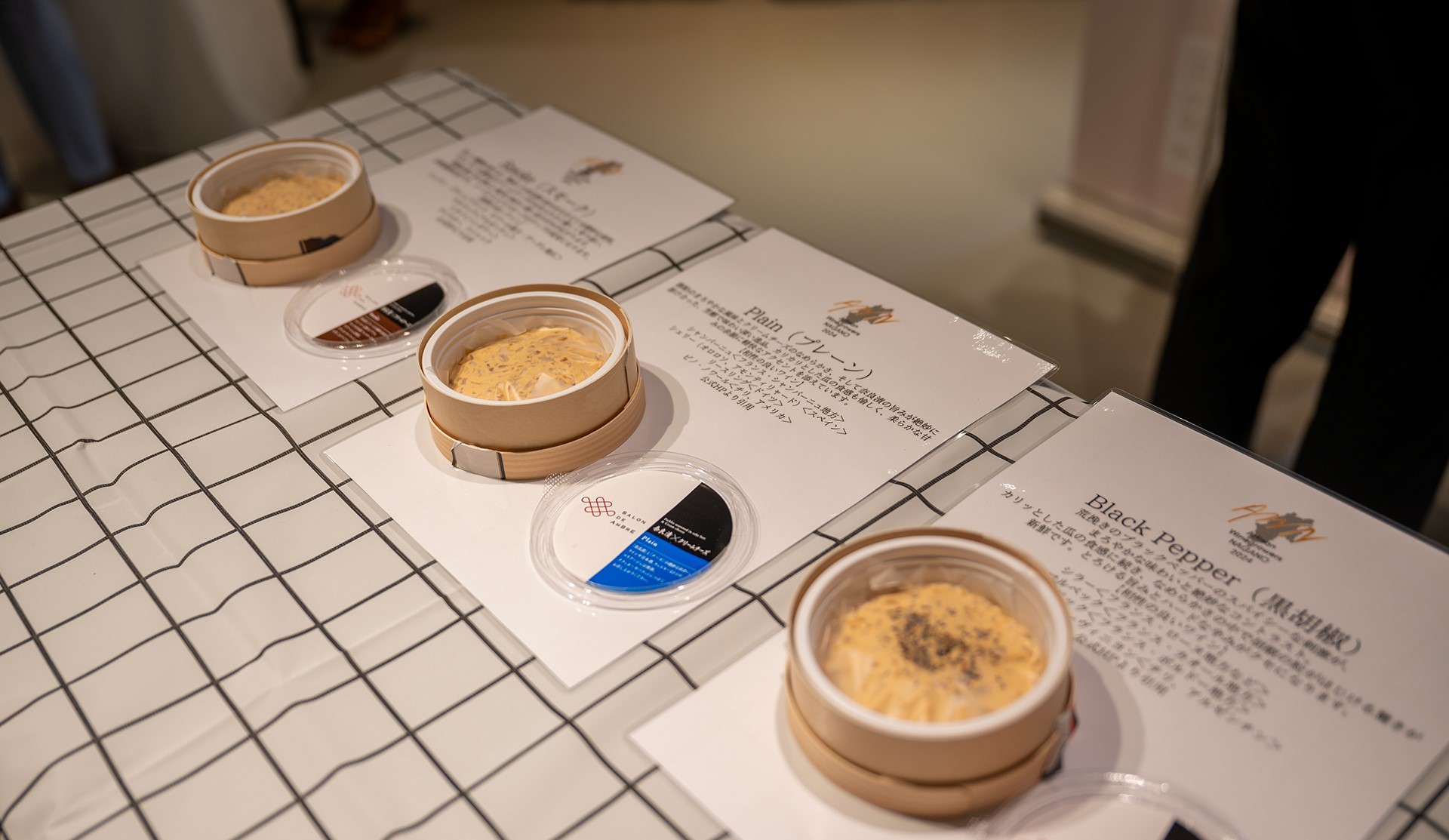
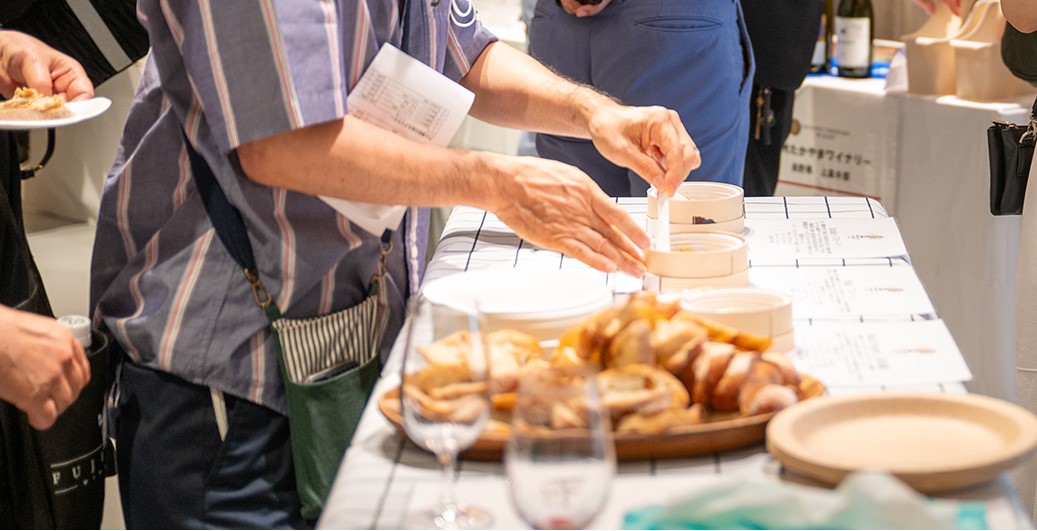
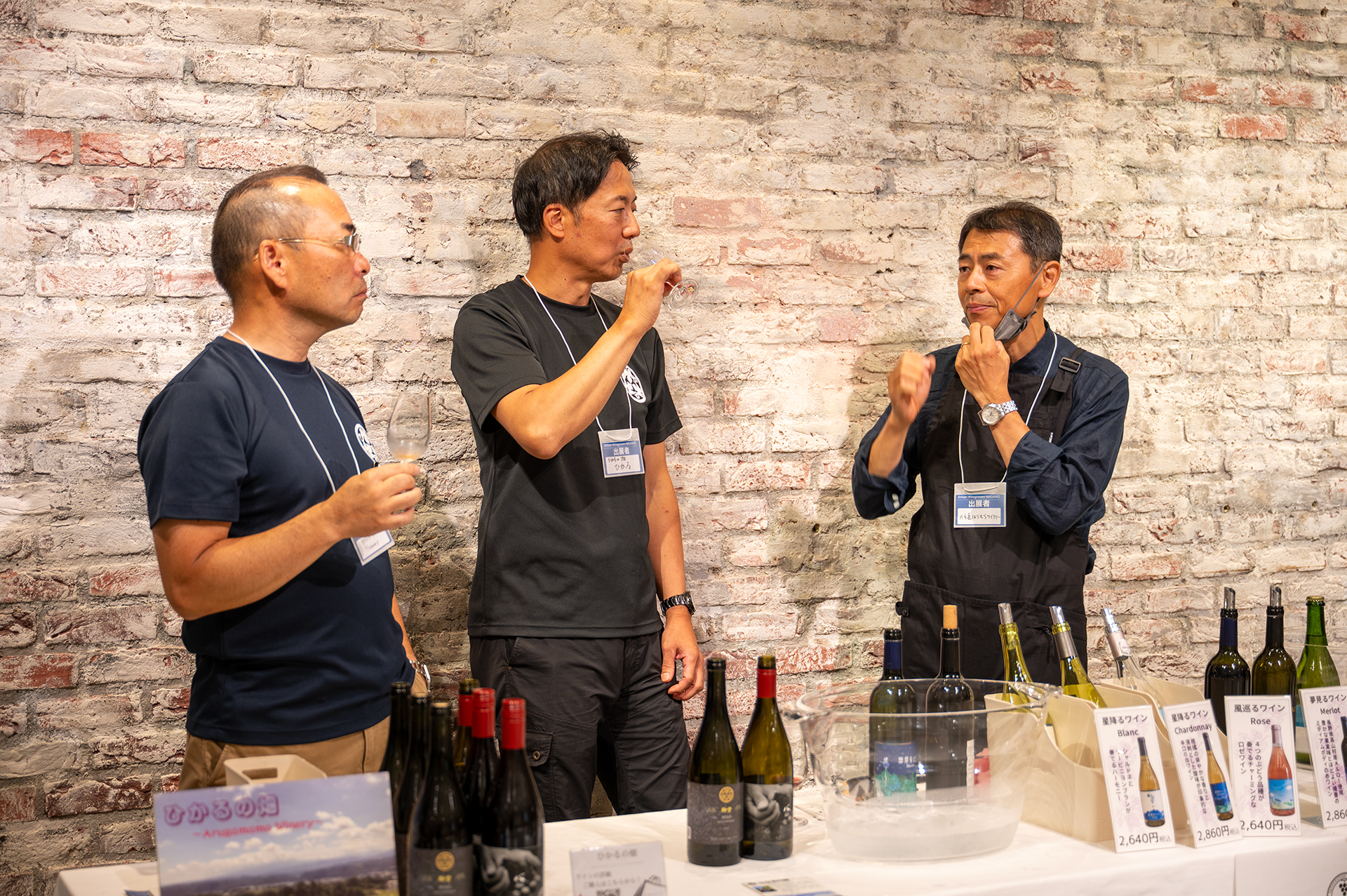

Venue: TRUNK BY SHOTO GALLERY, Shibuya
Reference: Artisan Winegrowers NAGANO 2024 — A Tasting to Discover Nagano's Terroir — Announced!
Event photography: NORIZO
Structure and text: Yowami Asada