
Japanese wine has improved dramatically in quality in recent years, supported by advances in winemaking and efforts across producing regions.
At the same time, growing inbound demand is fueling greater interest in Japanese wine, particularly among restaurants.
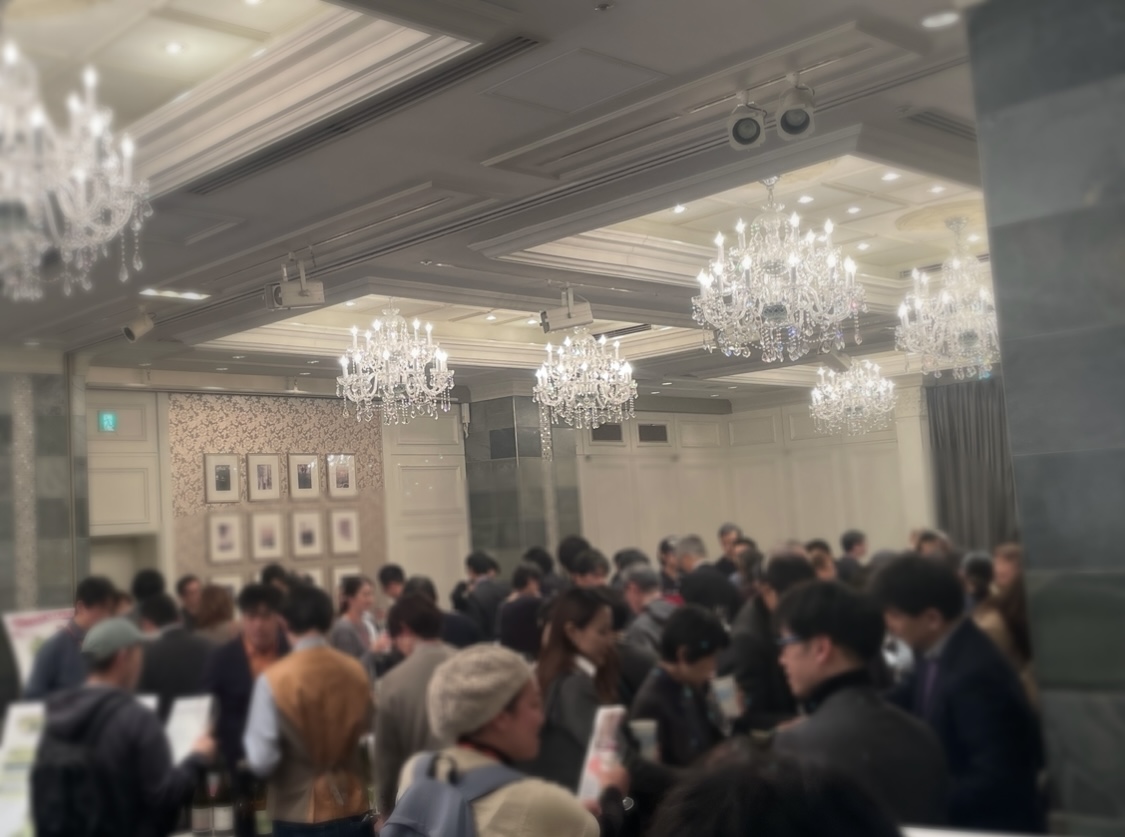
Against this backdrop, 20 wineries from Yamanashi, Nagano and Yamagata gathered in one place for “Feel Japan Wine!”, a trade-focused tasting held in Ginza, Tokyo, designed to communicate the appeal of Japanese wine directly to restaurant, hotel and retail professionals.
The event was jointly organized by Manns Wines Co., Ltd., Suntory Ltd., and Wine in Motion Inc.
As noted above, the tasting was aimed specifically at the trade, yet tickets sold out in roughly two weeks after registration opened late last year. Around 320 people attended on the day, creating a lively atmosphere. About 60% of attendees came from restaurants and hotels, around 30% from wine and liquor retailers, with the remainder including media and other industry professionals.
Trade tastings like this have often been held free of charge, but this time admission was ¥500 including tax. “The venue capacity was limited, and from the very first edition we did not want to place an excessive burden on the participating producers. We wanted part of the venue cost to be covered by the admission fee, while creating a place for genuinely meaningful encounters,” the organizers explained.
Producers do, after all, bear a range of costs, from sample wines and delivery to preparation of explanatory materials. The visitors, meanwhile, are there with a serious purchasing mindset and a clear purpose: to understand the wines. In that sense, the relationship should be an equal one.

A compelling lineup of wineries
Twenty companies, primarily from Nagano, Yamanashi and Yamagata, took part. Alongside quality, the lineup emphasized reliable supply and realistic routes to market. In other words, these were wineries with the production volume and business systems to keep supplying wine when customers say they want it. That selection closely matched the event’s goal: “to establish Japanese wine as a product that hotels, restaurants and retailers can handle on a continuing basis.”
The producers themselves also spoke about how they approached the event.
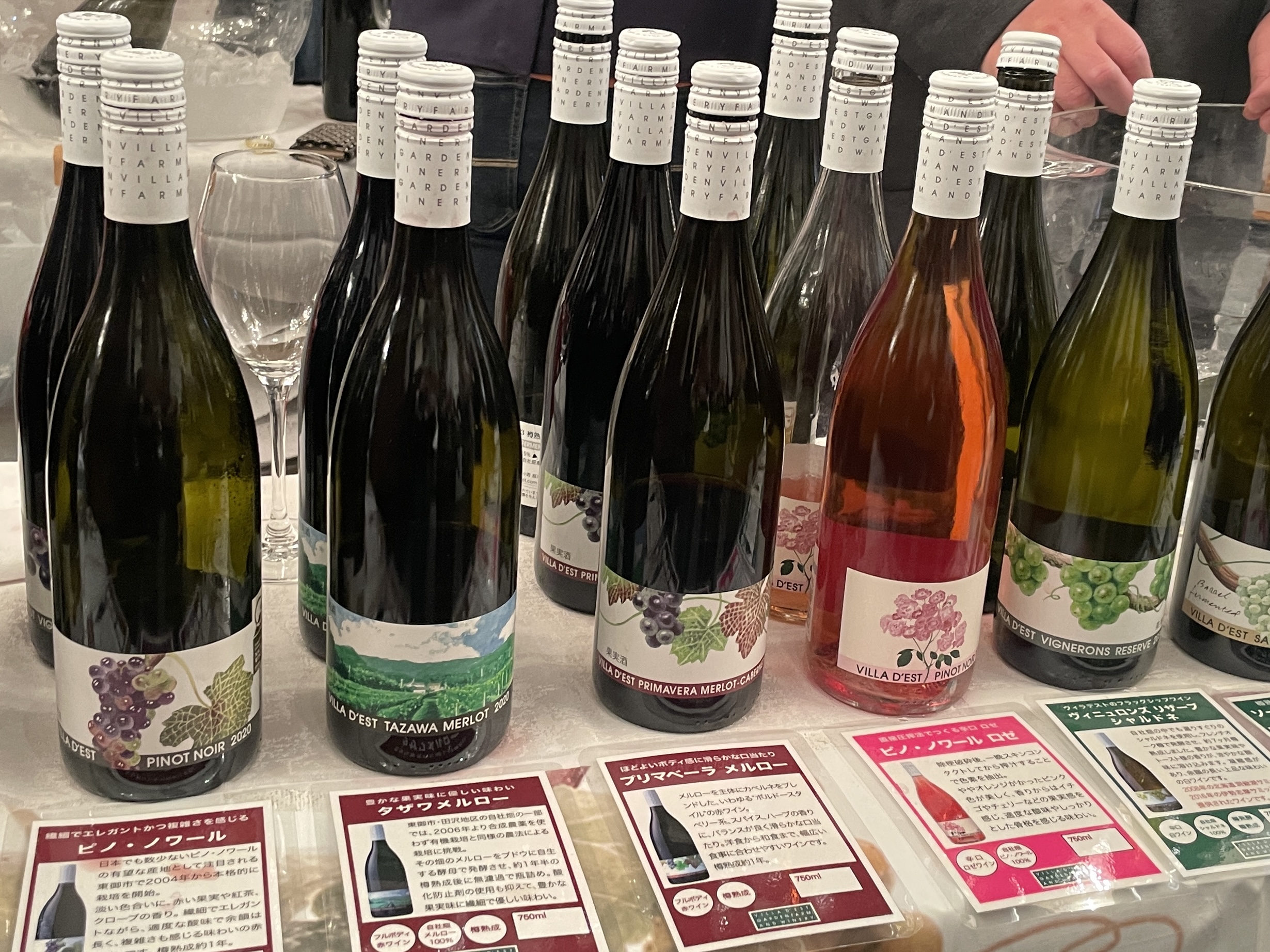
“I’m happy that so many people tried our wines and told us they enjoyed wines such as our Pinot Gris and Pinot Rosé.” “We brought our Pinot Noir 2020, which has developed beautifully with age and is drinking very well now.” (Mr. Konishi, Villa d’Est Winery)
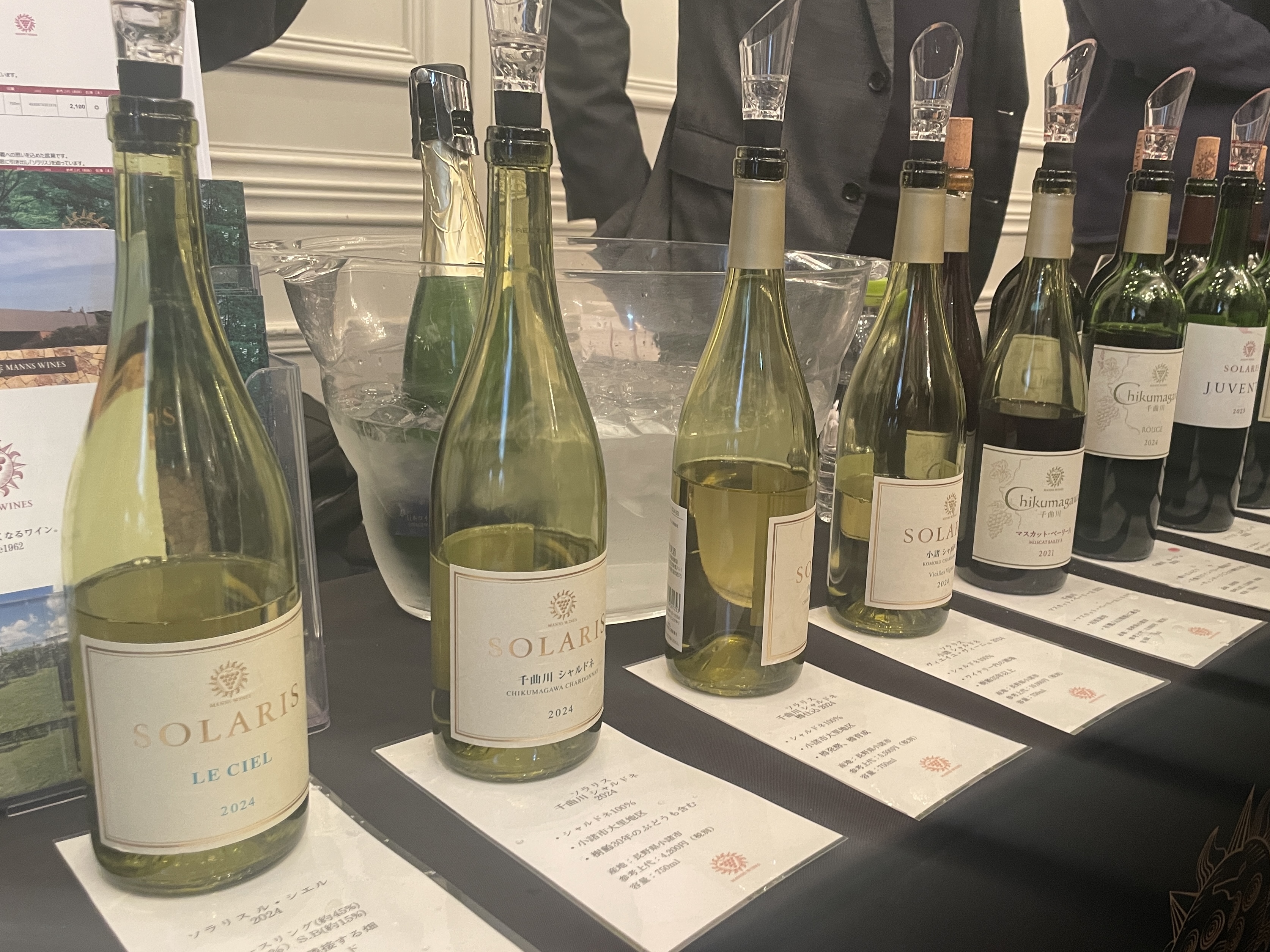
“We brought ‘Yeast Foam,’ a Charmat-method sparkling wine made specifically for the on-trade, and it’s proving popular.” “What matters is increasing Japanese wine’s share within the wine market as a whole. For that to happen, it cannot be only my winery that sells well—we all need to raise the level together.” (Mr. Nagai, Manns Wines)
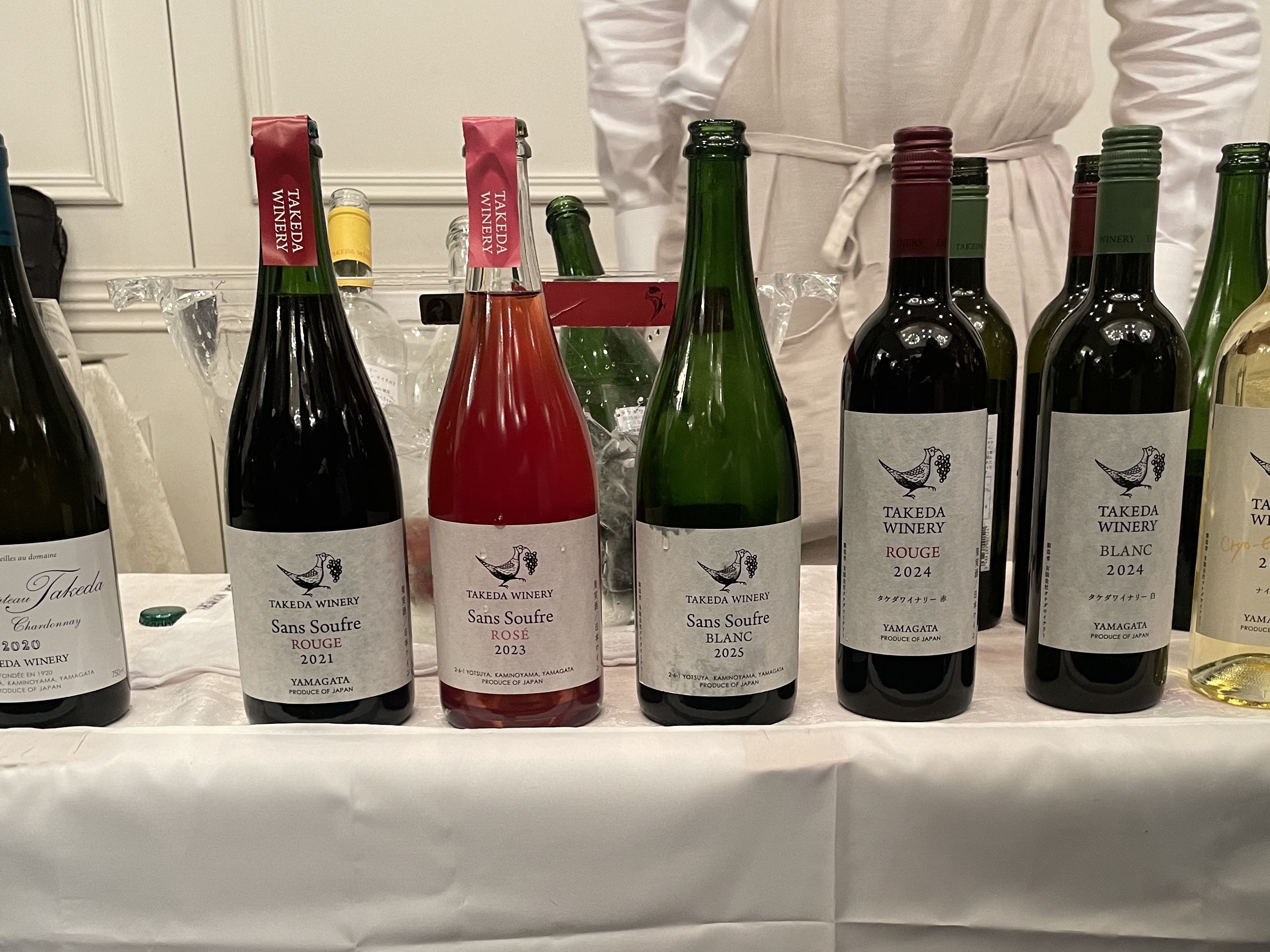
“Today, I’ve selected wines with reasonably stable inventory and price points that make them practical for restaurants to use.” (Ms. Kishihira, Takeda Winery)
These comments made it clear that the wineries had come prepared with a broad range of proposals tailored to the needs of restaurants and other trade buyers. Looking ahead, it seems quite possible that wineries from additional regions will join future editions under the same criteria.
“Holding it every year matters”: looking ahead
The organizers pointed to a concern they share: “Japanese wineries have worked incredibly hard over the past decade to raise quality. But perhaps promotion has not kept pace with that progress.”
The era in which sales could simply ride the wave of a “Japanese wine boom” seems to have reached a turning point.
“From here on, we need people who have properly tasted and understood the wines to sell them while explaining what kind of wines they are. We wanted to create a place for that in Tokyo, the country’s largest market.” That was the thinking behind the event.
The organizers are already looking ahead to ideas such as inviting overseas buyers, developing programs for consumers, and turning the event into an ongoing platform through regular editions.
“First, we want to listen to the wineries that took part this time and grow the event together. Vintage variation is important in wine, so holding it every year will matter. If, after four or five editions, people can say, ‘I’ve been watching this event from the very beginning,’ I’d be delighted.” Organizer Mr. Yanagihara said, describing his hopes for the future.
Their effort to communicate where Japanese wine stands today—accurately, in depth, and on a continuing basis—will continue.